
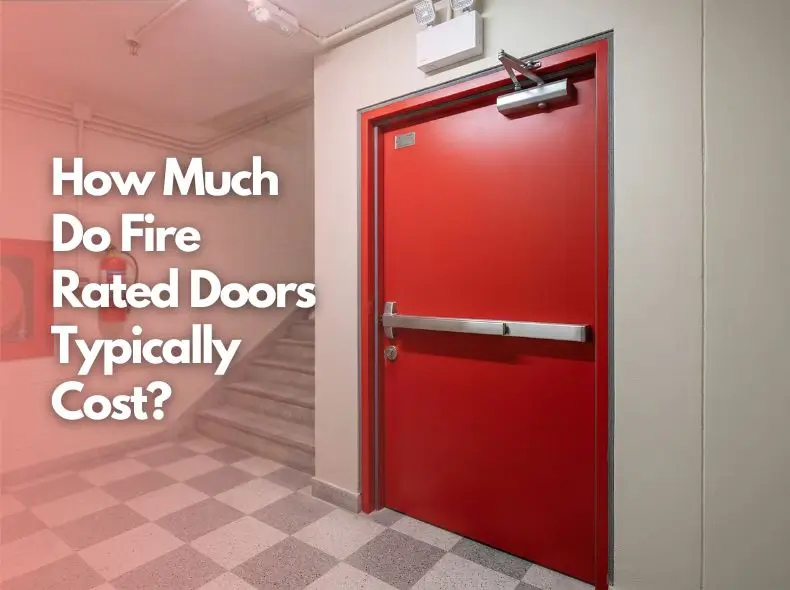
Fire rated door prices in India usually start from around Rs 4,000–Rs 6,000 for basic models and can go up to Rs 25,000–Rs 50,000+ per door for higher ratings, larger sizes, premium finishes, or complete doorset specifications. The final cost depends on fire rating, material, size, hardware, certification, and installation, so the “right” price is really the one that matches your project’s safety and compliance needs.
Understanding Fire Rated Doors Cost in India
When people search for fire rated doors cost, they usually want a simple answer. But the truth is, pricing is not fixed. A door for a small office corridor will not cost the same as a 120-minute steel doorset for a high-rise staircase or an industrial plant.
Fire rated doors are part of passive fire protection, which means they help slow the spread of fire and smoke while people evacuate. That protective role is exactly why certified construction, tested performance, and correct installation matter as much as the door itself.
Typical Price Range
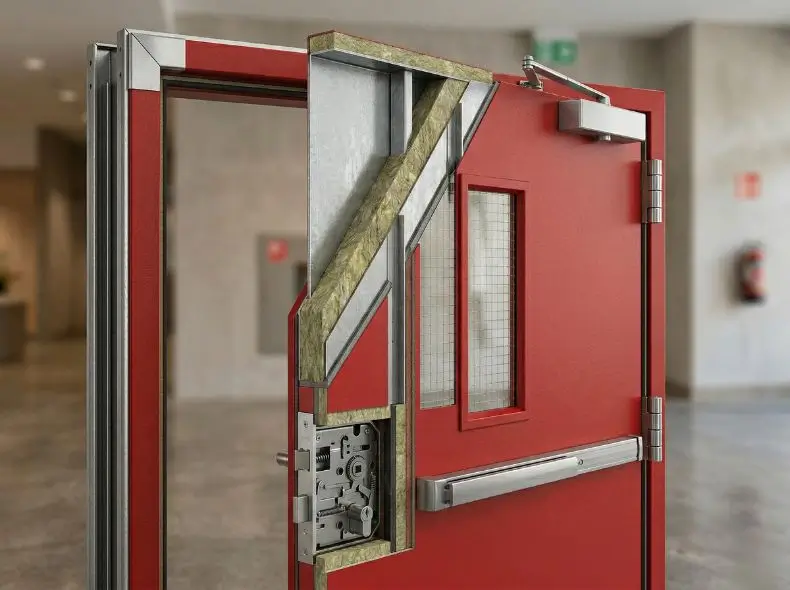
In the Indian market, fire rated doors often appear in a broad range. Supplier listings show some fire resistant doors around Rs 4,000–Rs 6,000 per square meter or about Rs 10,000–Rs 26,000 per piece, while some higher-spec doors are listed around Rs 32,000 and beyond depending on size and rating.
For practical budgeting, many buyers can think in these brackets:
- Entry-level fire rated doors: Rs 4,000–Rs 12,000.
- Mid-range certified doors: Rs 12,000–Rs 25,000.
- Higher-spec or larger doorsets: Rs 25,000–Rs 50,000+.
These figures are indicative, not universal. Actual project pricing may shift based on fabrication detail, hardware package, glaze openings, frame type, and installation scope.
What Drives the Price
Fire Rating
The fire rating is one of the biggest price drivers. Higher ratings generally cost more because they require stronger construction, more testing, and more robust materials.
In India, fire door selection is tied to compliance needs and building use. Lower ratings may be suitable for some commercial and residential applications, while higher ratings are common in industrial facilities, stairwells, and other high-risk or high-occupancy zones.
Material
Material choice changes the cost sharply. Steel fire doors usually command higher value for demanding environments, while some wood-based or composite options can be more economical depending on the specification.
Steel is often preferred where durability, strength, and long-term performance matter most. Wood or composite systems may be chosen when aesthetics or a lighter-duty application is more important.
Size and Thickness
Standard sizes are generally more economical. Once the door becomes oversized, double-leaf, or non-standard, fabrication complexity rises and so does the price.
Thickness and core construction also matter. A door built for a longer fire-resistance period usually needs a more specialised internal structure, which raises the cost.
Glazing and Vision Panels
If the design includes fire-rated glass or a vision panel, pricing increases because the assembly must preserve fire performance while still allowing visibility.
This feature is especially useful in offices, corridors, hospitals, and controlled access areas. However, it adds to both material and certification cost.
Hardware and Ironmongery
Handles, locks, closers, hinges, seals, and panic hardware all affect the final bill. Fire rated doors only perform correctly when all compatible components are specified and installed as a complete system.
A low-cost leaf can become expensive once you add compliant hardware and installation. That is why many buyers should compare doorsets, not just the bare shutter price.
Installation
Installation is not optional in a real fire safety project. Poor fitting can reduce performance and make certification meaningless in practice, even if the door itself is tested.
Professional installation usually adds to the project cost, but it also improves reliability, compliance, and long-term safety. In fire protection, the cheapest mistake can become the most expensive one.
Why Standards Matter in 2025
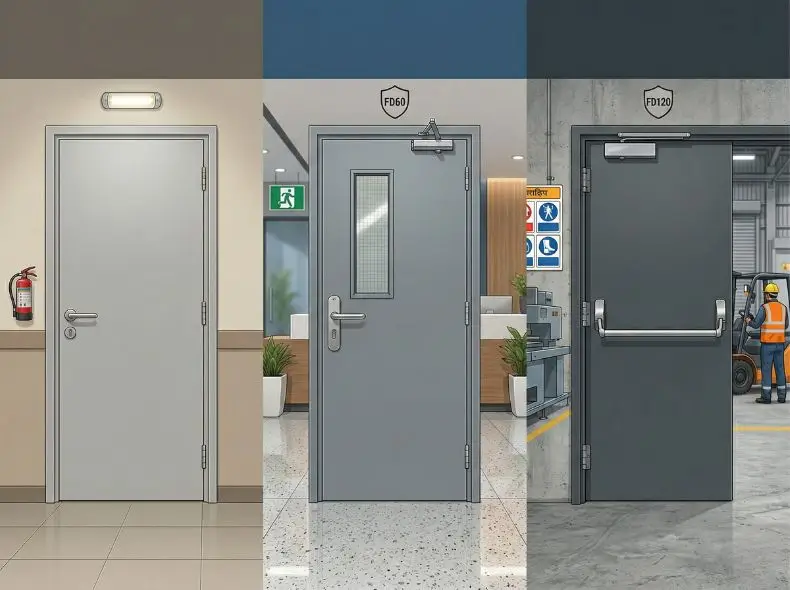
For Indian projects, IS 3614:2021 is a key reference for fire door resistance testing and performance requirements. It covers fire doors and doorsets, including integrity, insulation, and radiation control.
This matters because buyers should not compare price without checking compliance. A cheaper untested door may save money on day one, but it can create risk during approvals, inspections, insurance checks, or emergency use.
In practical terms, the standard supports safer selection for commercial, residential, industrial, healthcare, and high-rise applications. That is especially important in 2025, when safety, documentation, and verified performance are under much closer scrutiny.
How to Budget Smartly
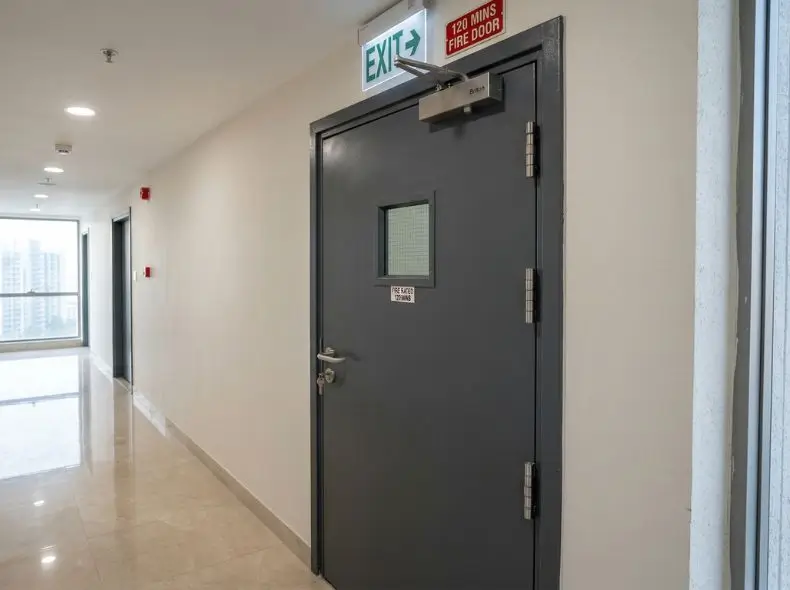
If you are planning a project, start by defining the use case. A stairwell door, factory door, and apartment corridor door do not need the same specification or budget.
Use this simple buying approach:
- Decide the required fire rating.
- Confirm the material and finish.
- Check whether glazing is needed.
- Match hardware to the tested assembly.
- Ask for certification and installation details.
- Compare total doorset cost, not just the panel price.
That process makes it easier to control spend without compromising safety. It also helps you avoid hidden extras later.
Cost Table
Why KOR India Matters
For buyers in India, choosing a manufacturer is not just about the lowest quote. It is about getting the right combination of tested performance, correct hardware, and dependable installation guidance.
KOR India can position itself as a trusted partner for project-specific fire rated door solutions, especially where compliance, durability, and clean execution matter. If your project needs help selecting the right fire rated door, requesting a site-specific consultation is the safest next step.
FAQ
How much do fire rated doors typically cost in India?
Fire rated doors in India commonly range from about Rs 4,000 to Rs 50,000+, depending on rating, size, material, hardware, and certification.
Are steel fire rated doors more expensive?
Does installation affect the final price?
Yes, installation can change the total cost significantly because compliant fitting, frame work, and hardware all add to the project budget.
Why is certification important?
Certification helps confirm that the door meets required fire resistance performance and supports building compliance in Indian projects.
What is the biggest factor in fire rated door pricing?
The fire rating is usually the biggest price driver, followed by material, size, glazing, and hardware specification.
If you are comparing fire rated doors cost for a commercial, industrial, or residential project, KOR India can help you choose the right specification with confidence.
Contact KOR India for a practical quote, compliant product guidance, and project-ready fire door solutions.
Phone: +91 8527106390 Email: info@korindia.in