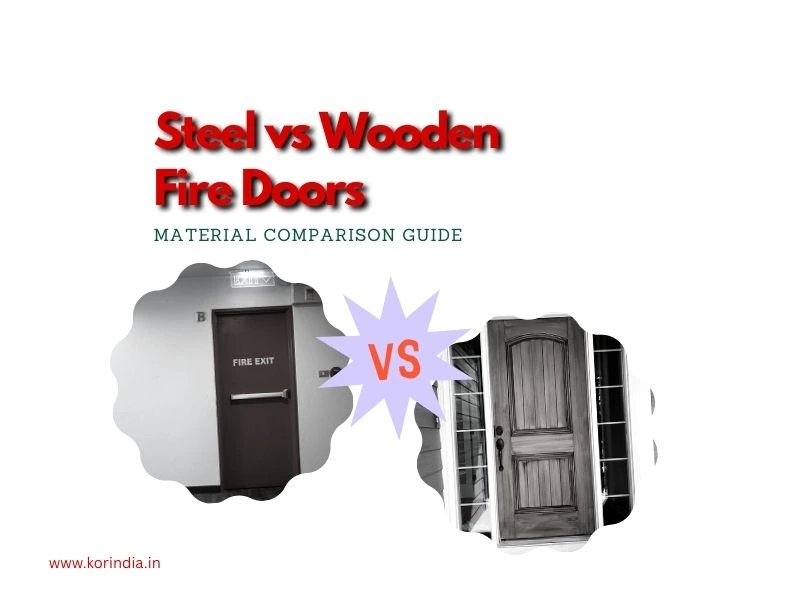
Key Takeaway: For superior fire resistance, strength, and long-term value, steel fire doors outperform wooden doors in most commercial and industrial settings, while wooden fire doors still serve specific aesthetic and residential applications. Steel vs Wooden Fire Doors
Introduction
Every building’s safety relies on robust fire protection systems—and fire doors stand at the forefront of passive fire defense. Choosing between steel and wooden fire doors can feel overwhelming. Both materials meet regulatory standards, yet each brings distinct advantages. This guide dissects the performance, cost, and application nuances of steel versus wooden fire doors, equipping you with a clear framework for selecting the ideal solution for your project.
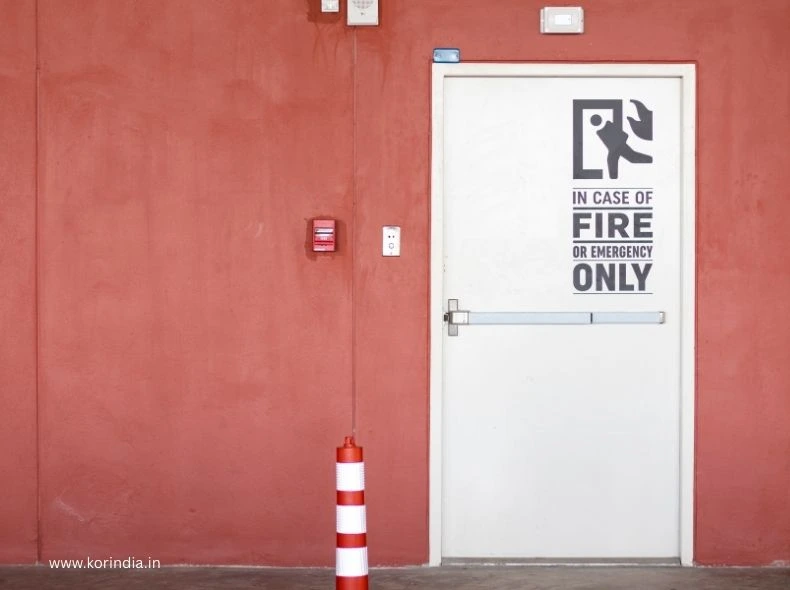
1. Pros and Cons Analysis
Steel Fire Doors
Pros
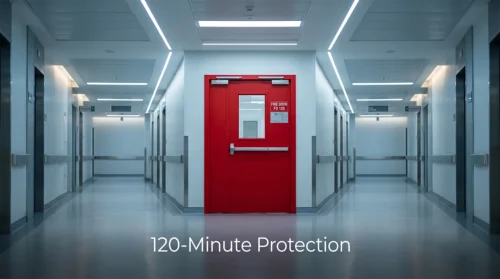
- Exceptional fire resistance: Maintains integrity up to 3 hours under standard fire tests, retarding flame and smoke spread.
- Durability: Highly resistant to warping, cracking, and corrosion when properly finished.
- Low maintenance: Requires minimal upkeep compared to wood.
- Security: Superior strength deters forced entry.
- Longevity: 30+ years service life with appropriate coatings.
Cons
- Higher initial cost than basic wooden doors.
- Limited aesthetic warmth-requires cladding or painting for specific interior styles.
- Heavier weight: Demands robust framing and hinges.
Wooden Fire Doors
Pros
- Natural warmth and aesthetic versatility: Suits residential and heritage restorations.
- Cost-effective initial investment, especially for low-frequency use.
- Easier to customize with veneering, carvings, or glazing patterns.
Cons
- Lower fire endurance: Typically rated 30–60 minutes, making them unsuitable for high-risk zones.
- Susceptible to moisture, warping, and termite damage if not properly treated.
- Higher maintenance: Periodic sealing or refinishing required.
- Shorter lifespan: Around 10–15 years in demanding environments.
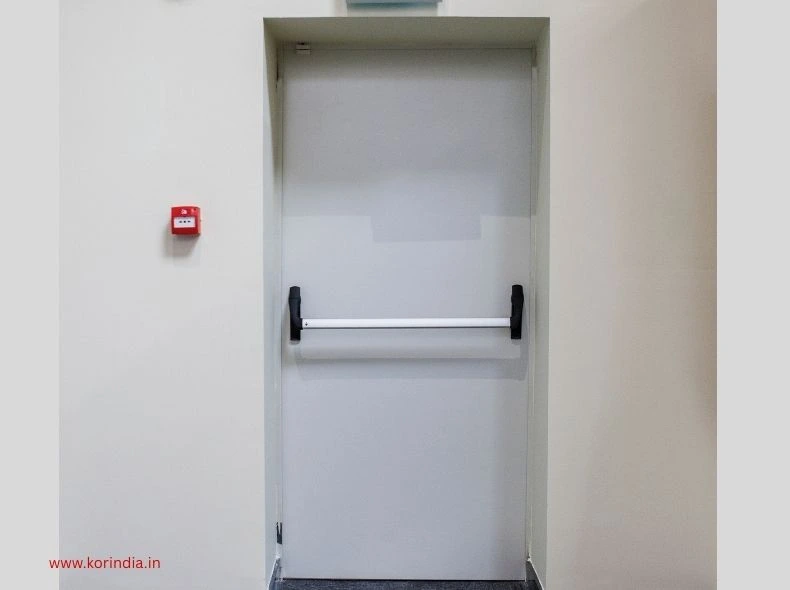
2. Head-to-Head Performance Comparison
| Feature | Steel Fire Doors | Wooden Fire Doors |
| Fire Rating | Up to 180–180 minutes (3 hours) | 30–60 minutes |
| Structural Strength | High resistance to impact and forced entry | Moderate; can be reinforced |
| Durability | Excellent; corrosion-resistant finishes available | Moderate; prone to warping if untreated |
| Maintenance | Low; occasional painting | High; periodic sealing/refinishing |
| Lifespan | 30+ years | 10–15 years |
| Weight | Heavy | Light to moderate |
| Aesthetics | Industrial, modern | Warm, traditional |
| Cost (Initial) | ₹8,000–₹20,000 per door* | ₹5,000–₹12,000 per door* |
| Cost (Lifetime Value)** | Lower total cost due to longevity and low upkeep | Higher due to frequent replacement/maintenance |
* Costs vary with size, design, and hardware.
** Based on projected 20-year service period, maintenance, and replacement cycles.
3. Cost Analysis: Initial vs. Lifetime Value
Steel doors have a higher upfront price tag. Yet, factoring in a service life often twice that of wood and minimal upkeep, the total cost of ownership (TCO) favors steel:
- Steel Fire Door
- Approximate Initial Cost: ₹12,000
- Approximate Maintenance (over 20 years): ₹4,000
- Approximate Total TCO: ₹16,000
- Wooden Fire Door
- Approximate Initial Cost: ₹7,000
- Approximate Maintenance and Replacements (over 20 years): ₹15,000
- Approximate Total TCO: ₹22,000
This analysis illustrates a ~27% savings by choosing steel in high-traffic or critical fire-safety applications.
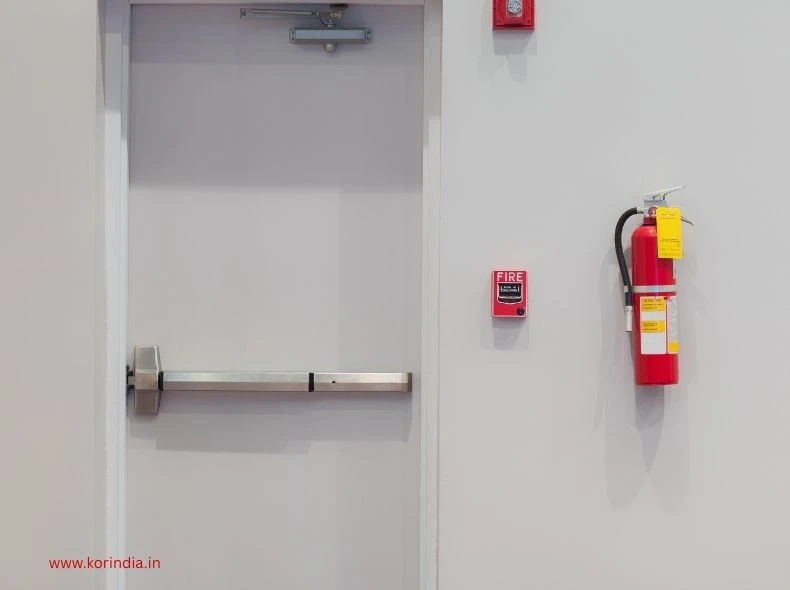
4. Application-Specific Recommendations
Commercial & Industrial Facilities
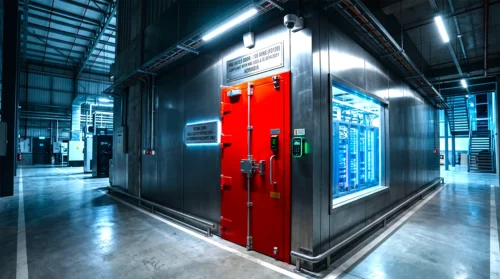
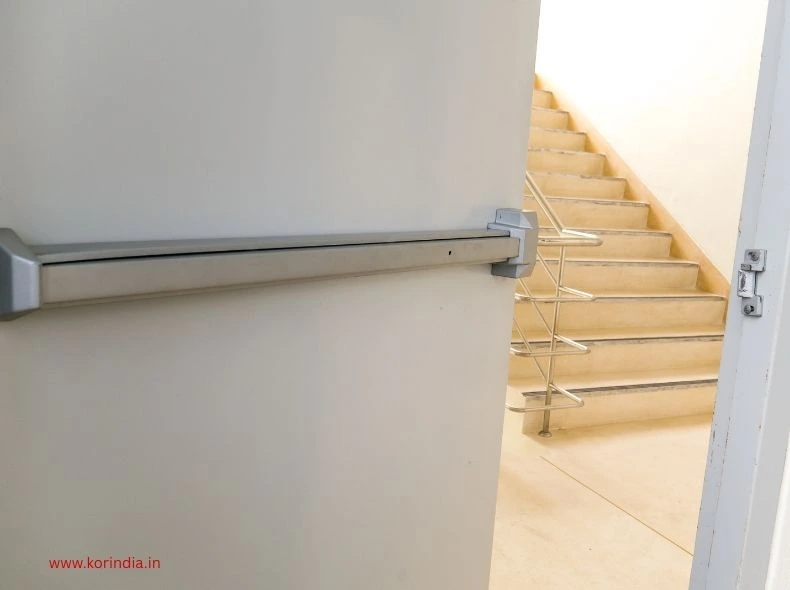
- Steel doors are ideal in corridors, stairwells, and warehouses, where robust fire compartmentalization and security are paramount.
Residential Buildings & Luxury Projects
- Wooden fire doors complement interior aesthetics in homes, boutique hotels, and heritage restorations—provided fire ratings of 30–60 minutes suffice.
Healthcare & Educational Institutions
- Hybrid approaches: Employ steel doors for stair enclosures and high-risk zones, while selecting designer wooden doors for administrative offices and patient rooms.
Heritage & Conservation Sites
- Use wooden fire doors crafted to mimic historical profiles, enhanced with fire-retardant treatments, ensuring compliance without compromising heritage character.
5. Decision-Making Framework
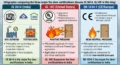
- Assess Fire-Risk Zone: Identify required fire rating (30, 60, 90, 120, or 180 minutes).
- Define Aesthetic Needs: Decide if natural wood grain or a modern metallic finish better suits the design language.
- Evaluate Budget & Lifecycle: Balance initial budget constraints against long-term maintenance and replacement costs.
- Consider Environmental Conditions: Select materials resistant to local humidity, pests, or corrosive atmospheres.
- Maintenance Capacity: Factor in facility management resources for routine upkeep.
- Regulatory Compliance: Ensure the chosen door complies with 2025 Indian fire safety standards (IS 3614, IS 3615, and relevant National Building Code provisions).
In complex projects, KORIndia’s fire-safety consultants can conduct a tailored risk assessment and door schedule, optimizing safety and style.
Frequently Asked Questions
1. Are steel fire doors prone to rust?
With epoxy or powder-coated finishes, steel fire doors resist rust and can withstand humid conditions without degradation.
2. Can wooden fire doors meet 90-minute fire ratings?
Standard solid-core wooden doors usually cap at 60 minutes. For higher ratings, composite or metal-clad options are recommended.
3. Do steel fire doors need painting?
Yes, powder-coating or intumescent paint provides corrosion resistance and enhances fire performance. Repainting cycles are typically every 8–10 years.
4. How do I maintain wooden fire doors?
Apply sealants or varnishes annually, inspect seals and frames, and replace door sweeps or gaskets as needed to ensure continuous protection.
5. How soon can I install a KORIndia fire door?
Our factory-trained technicians can complete site surveys and installations within 2–3 weeks from order confirmation, subject to project scale.
Ready to enhance your industrial facility’s safety and efficiency?
Contact KORINDIA today for expert guidance and advanced door solutions tailored to your industry’s needs!