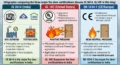
Ensuring the safety of buildings against fire hazards begins with selecting the right fire door. In India, stringent standards and certifications govern fire door manufacturing and installation – most notably IS 3614, BIS certification, and CBRI testing. This comprehensive guide breaks down every aspect of fire door certifications in India, including state-wise compliance variations, documentation requirements, and record-keeping best practices. Whether you’re an architect, contractor, or facility manager, understanding these certifications will help you choose the right fire rated doors for your project, stay compliant, and safeguard lives and property.
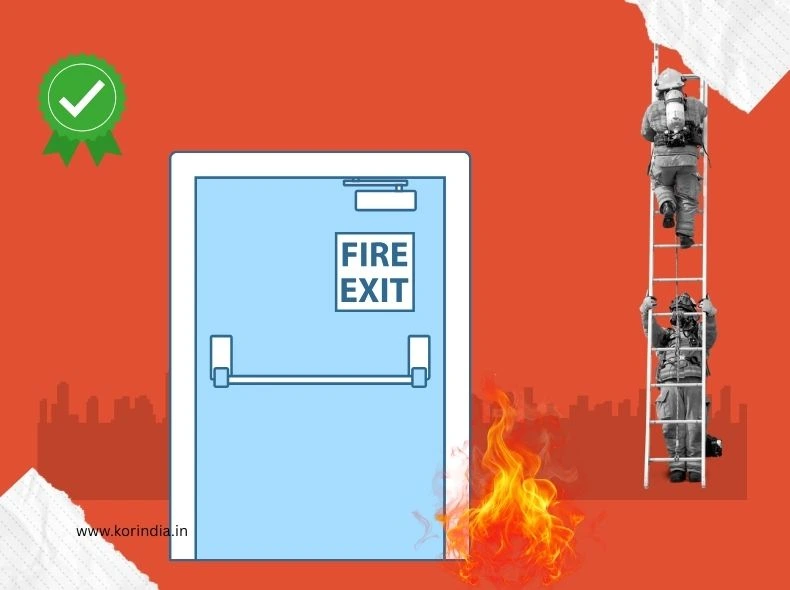
1. Introduction: Why Fire Door Certifications Matter
Fire doors form the first line of defense in compartmentalizing fires, preventing rapid spread, and providing safe egress. A properly certified fire door:
- Ensures compliance with national regulations and building codes
- Guarantees the door meets tested fire resistance and smoke control criteria
- Offers peace of mind to building owners, occupants, and insurers
- Minimizes legal liabilities by adhering to standards
Ignoring proper certification can lead to catastrophic failures, non-compliance penalties, and, most critically, loss of life. Let’s delve into the core standards that underpin fire door manufacturers’ products in India.
2. Overview of IS 3614 Standard
Scope and Application
IS 3614:2020 specifies requirements for steel fire doors, including single-leaf, double-leaf, sliding, and roll-up types, across various fire resistance ratings. This standard applies to doors used in buildings like:
- Commercial complexes
- Hospitals and healthcare centers
- Educational institutions
- Industrial facilities
Classification and Fire Resistance Ratings
IS 3614 classifies fire doors based on the duration they can withstand fire conditions:
| Rating | Duration (minutes) | Typical Use Cases |
| FRD 20 | 20 | Residential corridors |
| FRD 45 | 45 | Offices, schools |
| FRD 60 | 60 | Hospitals, high-rise blocks |
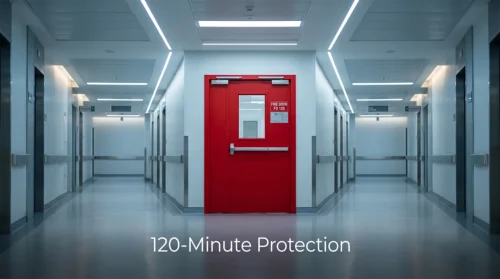
| FRD 120 | 120 | Critical infrastructure |
These ratings ensure the door resists flame passage (integrity) and limits heat transfer (insulation).
Material and Design Requirements
Key IS 3614 material and design stipulations include:
- Door leaf: Minimum 1.2 mm GI sheet filled with inorganic mineral wool
- Frame: Formed from hot-rolled steel sections or cold-rolled channels
- Seals and Intumescent Strips: Located on jambs and top frame, expanding to seal gaps
- Perimeter Clearances: Maximum 4 mm between leaf and frame
- Hardware: Hinges, panic hardware, and locks rated for the fire rating
3. BIS Certification Process
The Bureau of Indian Standards (BIS) ensures products meet specified national benchmarks. BIS certification for fire doors involves several stages:
3.1 Eligibility and Application
Manufacturers must hold a valid factory license and submit:
- Application form IS 410 (for product certification)
- Technical literature, drawings, and data sheets
- Sample doors to an accredited laboratory
3.2 Product Testing and Laboratory Approval
BIS-approved labs (including CBRI) test samples for:
- Fire resistance under IS 3614 protocols
- Smoke leakage and insulation performance
- Mechanical endurance (opening/closing cycles)
3.3 Factory Inspection and Surveillance
BIS conducts:
- Initial factory audit assessing quality control systems
- Quarterly surveillance visits to verify consistent production quality
- Random sample testing to guard against adulteration
3.4 Marking and Labeling Requirements
Certified fire doors must bear the ISI mark, along with:
- BIS license number (CM/L) and month/year of manufacture
- Fire resistance rating (e.g., FRD 60)
- Manufacturer’s name and safe operating instructions
4. CBRI Testing Methodologies
The Central Building Research Institute (CBRI) in Roorkee is the premier body for structural and fire safety testing.
4.1 Furnace Test Procedures
Standard furnace tests at CBRI include:
- Exposing door assemblies to temperatures rising per HUD curves (reaching ~1000 °C over time)
- Monitoring flame passage through viewing ports
4.2 Smoke Leakage and Thermal Insulation Tests
CBRI measures:
- Smoke leakage rate under negative pressure
- Temperature rise on the non-exposed face, ensuring ΔT ≤ 140 °C average and ≤ 180 °C peak
4.3 Reporting and Test Certificate Validity
Post-testing, CBRI issues a detailed report, including:
- Test setup and instrumentation details
- Photographic evidence and temperature-time graphs
- Conclusion on compliance with IS 3614 criteria
Certificates are valid for three years, subject to annual factory audits.
5. State-Wise Compliance Variations
India’s federal structure means state authorities often adopt building codes with local amendments.
| State/Region | Regulatory Authority | Notable Variations |
| Delhi NCR | Delhi Fire Service (DFS) | Requires third-party periodic inspections |
| Maharashtra | Directorate of Fire Services | Mandates FRD 60 in high-rise > 15 m |
| Gujarat | Gujarat Engineering Research Inst. | Focus on cyclone-resistant hardware |
| Karnataka/Tamil Nadu | State Fire and Emergency Services | Emphasis on smoke seals in hospitals |
| West Bengal | Kolkata Fire Brigade | Annual re-certification for public buildings |
State-wise guidelines may impose additional testing or inspection frequencies beyond BIS and CBRI requirements.
6. Documentation and Record-Keeping
Maintaining accurate records is critical for compliance audits and safety verifications.
6.1 Essential Documents
- BIS certification license and scope document
- CBRI test report and validity dates
- Factory inspection reports (BIS surveillance)
- Purchase orders and delivery challans with fire rating details
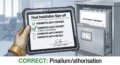
- Installation checklists and commissioning certificates
6.2 Audit-Ready Record Maintenance
Best practices include:
- Digitizing all documents with secure cloud backup
- Assigning unique door IDs linked to certification metadata
- Scheduling automated reminders for re-certification and inspections
6.3 Digital Tracking and Traceability
Implement a centralized portal where stakeholders can:
- Access door certificates via QR codes on door frames
- Generate compliance dashboards for management reviews
7. Frequently Asked Questions
Q1: What is the difference between BIS and CBRI certification?
BIS certification covers product licensing and factory audits, whereas CBRI focuses on rigorous fire and smoke performance testing under IS 3614 protocols.
Q2: How often must fire doors be re-certified?
CBRI test certificates are valid for three years, with annual surveillance by BIS and state fire authorities.
Q3: Can timber doors be fire rated under IS 3614?
IS 3614 primarily addresses steel fire doors. Timber fire doors follow IS 2208 and require separate certification.
Q4: Are there any state-specific installation norms?
Yes. For example, Delhi NCR mandates third-party inspections every six months, while Maharashtra requires FRD 60 for buildings over 15 m tall.
Q5: How do I ensure my installed doors remain compliant?
Maintain detailed logs of inspections, repair any damaged seals immediately, and use QR-based digital records for audits.
8. Conclusion and Call to Action
Complying with IS 3614 fire doors, BIS certification, and CBRI testing is non-negotiable for building safety. State-wise variations add complexity, but with robust documentation and digital tracking, compliance becomes seamless. Partner with KOR India—trusted fire door manufacturers in Greater Noida, India—to ensure your doors meet every standard, deliver uncompromised safety, and streamline audits. Contact us today for a consultation and customized fire door solutions that protect what matters most.
Ready to enhance your industrial facility’s safety and efficiency?
Contact KORINDIA today for expert guidance and advanced door solutions tailored to your industry’s needs!